

 | David BlighDirector – Lead GM BreederOwner and operator of a seasoned agribusiness artisanal family farm with deep roots in animal husbandry and sustainable farming. David actively contributes to the non-profit sector through his role at ARC Foundation, a charity advancing transplant science and innovative organ replacement. His blend of practical experience and strategic oversight in non-profit governance uniquely positions him to support ARC Foundation's mission to improve health outcomes through cutting-edge biomedical research. David's leadership exemplifies a blend of family legacy, industry expertise, and philanthropic engagement, reflecting his dedication to both local agricultural heritage and global health advancements.
|
 | Richard BlighDirector – Facility OperatorA prominent figure in a multigenerational Australian farm, recognised for his significant contributions to advancing medical science, particularly in xenotransplantation. Leveraging his expertise in pig breeding. Richard has played a current role in providing high-quality porcine resources essential for xenotransplant research and development. Richard's work supports pioneering efforts to address organ shortages for human transplantation, thereby advancing life-saving medical innovations. The business gained a reputation for superior animal husbandry, lower disease risk due to its isolated location, and the facilities' expertise. |
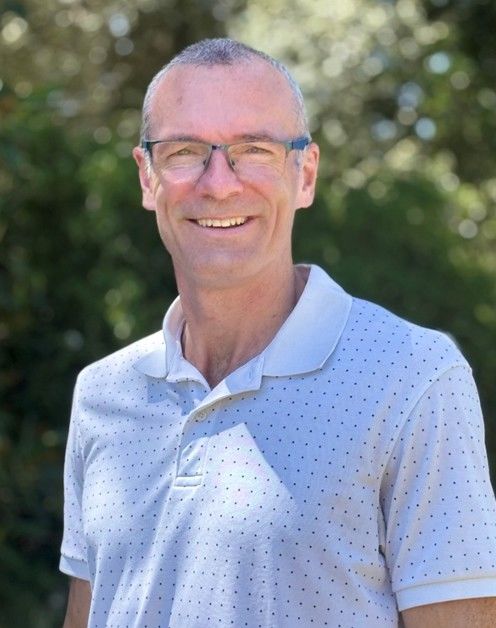 | Philip GreerLead Research Co-OrdinatorAn engineering expert focused on developing innovative technological solutions for the medical industry. Dedicated to enhancing patient care through the design of medical software that improves quality of life and healthcare operations. Experienced in collaborating with life scientists, chemists, and medical scientists to investigate the engineering aspects of biological systems. |
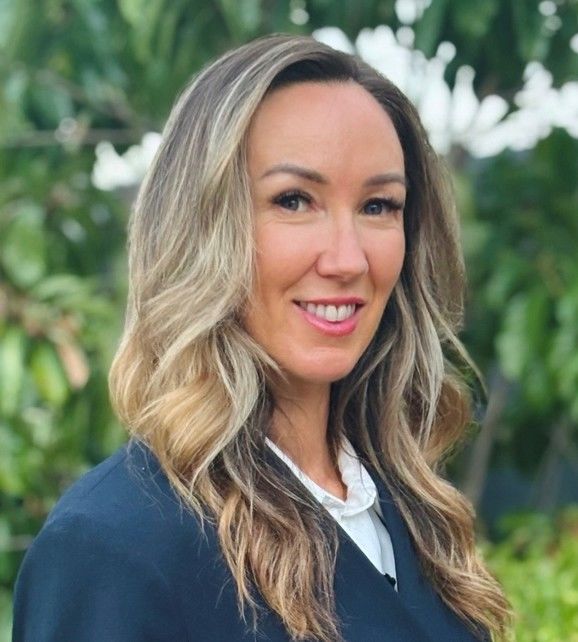 | Michelle AnnChief Financial OfficerA business leader and entrepreneur with extensive experience across multiple industries in Europe and Australasia. She has successfully founded and operated businesses that showcase her strong capabilities, particularly in community building and leadership. Driven by a passion for meaningful change, Michelle is deeply committed to advancing innovative xenotransplantation solutions that improve the lives of those affected by diabetes and other chronic conditions. Michelle believes in harnessing the power of collaboration and visionary leadership to create lasting impact and improve patient outcomes worldwide. |
| The pancreas is a large organ rich in blood vessels, and transplant procedures are complex, requiring many hours of surgery and carrying numerous potential complications. Performing a pancreas transplant in combination with a kidney transplant further increases the complexity of the procedure. Moreover, not every pancreas donated by a brain-dead individual is suitable for transplantation. Factors such as age, excess fat, and underlying health issues, including vascular disease, can render a pancreas unusable for a whole organ transplant. In the past, these less-than-ideal organs would have been discarded. However, we have developed a technology that allows us to process the pancreas, effectively separating the islet cells. This intricate procedure takes approximately 8 to 10 hours, yielding a collection of well-separated islet cells. Pancreatic islet transplants offer a less invasive alternative to whole organ transplants, making them suitable for certain patients with Type 1 Diabetes (T1D) who experience severe hypoglycaemia unawareness. | The islet cells are infused into the patient's liver, where they begin to release insulin within a couple of weeks. This process restores the natural biofeedback mechanism that enables patients to avoid low blood sugar levels and may even eliminate the need for daily insulin injections. However, the availability of suitable pancreases from brain-dead donors is limited, and only about 40% of the time do we obtain a sufficient number of islet cells to transplant into a T1D patient. The organ must yield a minimum number of islets to justify administering immunosuppressive drugs, which are necessary to prevent the patient's immune system from rejecting the foreign cells. Unfortunately, these drugs can also increase the patient's risk of infections and cancer. As a result, there is a significant gap between the supply of donor pancreases and demand, leaving many patients waiting for years for a transplant or facing the possibility of dying before receiving one. |